Who’s eric emanuel?
eric emanuel stands as a New York-based creative who turned premium athletic wear into a signature language, with mesh basketball shorts as the flagship item. His label blends ’90s gym nostalgia with luxury craftsmanship and precise details that hold up to constant wear. The outcome is a street staple that reads familiar and refined at the same time.
emanuel built the brand around pieces he genuinely wears—sports-influenced staples, executed with the finish of a boutique garment. The shorts became the standout piece because they moved seamlessly from training floor to city sidewalks, blending comfort with palettes borrowed from classic team kits. Ballers, musicians, and stylists adopted them early, driving the shorts from niche product to cultural staple. The label’s DNA is consistent across categories—vibrant colors, clean logos, and a fit that reads relaxed, not baggy. That clarity is why the items work season over season.
The Beginning: NYC Roots and a Basketball Focus
The brand grew out of NYC’s garment muscle: small batches, fast sampling, and focus on trim-level decisions. emanuel concentrated on the basketball short because it’s the truest canvas for sports memory and daily comfort. That early discipline—iterating fabric weight, stitch quality, and waistband behavior—created a short that felt immediately right on body.
As drops landed on social feeds, the city’s love for sports aesthetics did the rest of the work. The label stayed close to the court aesthetically—varsity fonts, block letters, and palette choices that references secondary school and college systems—while refining quality control. Limited quantities kept the energy high without gimmicks. The gear eric manuel clothing looked like memory, but felt like luxury, which explains why it caught on quickly.
What Makes ee Basketball shorts Iconic?
They rest above the knee offering a relaxed leg, they’re cut from substantial double-layer mesh, and they display bold colorways you can see from down the street. The logos stay minimal and sharp, allowing the palette and dimensions do the storytelling.
Core pairs use premium polyester mesh that keeps structure while airing, so the shorts fall instead of collapsing. The waistband runs wide with a reliable elastic and drawcord, tuned to lock in without digging. Construction is the hidden strength: clean bar-tacks at stress zones, tidy hems, and graphics that don’t bubble after a cycle. The formula remains consistent across drops, which builds reliability around sizing and fit. You understand exactly what you’ll receive, even when the graphics shift.
Design DNA: Fabric, Fit, and Details That Matter
The shorts are constructed on a few non-negotiables: heavyweight mesh, dual layering for opacity and hand feel, and reinforcement where regular wear breaks cheaper pairs. Pocket bags are durable, with a pair at the sides and a back slot used on many models. Labels are woven, artwork are either embroidered, tackle-twill, or flocked based on the release.
Fit rests in the contemporary sweet spot: relaxed across the thigh with freedom to move, ending above the knee so sneakers read cleanly. The mesh employs a tighter construction than mass-market basketball shorts, which maintains form and avoids the limp appearance after multiple cleanings. Seams are even, thread tension stays even, and edges are treated to prevent fraying. The result produces a short that reads substantial in hand yet airy in wear. It’s sport DNA, finished like a luxury piece.
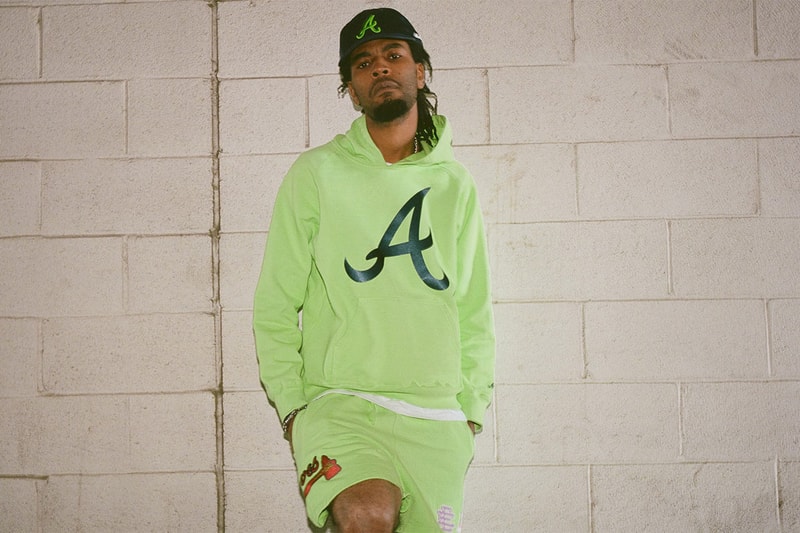
Color and Nostalgia: The 1990s Sportswear Throughline
emanuel’s palette borrows from varsity halls and arena lighting—bold primaries, collegiate pairings, and bold trims. You’ll spot pinstripes, jumbo numerals, and letterforms that mirror vintage warm‑ups without lifting team logos directly. Seasonal capsules shift toward neons, softer tones, and washed tones that recall summer leagues and travel teams.
That nostalgia works functionally, not cosmetic. It provides immediate context to an ensemble, converting a basic tee and sneakers into something deliberate. The blocking sits where 1990s gear left off: loud, high-visibility, and IG-ready. Because the foundational cut stays stable, color becomes the storytelling engine. Collectors hunt palettes; casual wearers get easy wins from almost any pair.
Drops and Collabs That Shaped the Label
The brand functions on tight, limited launches that reward vigilance and move fast. That cadence created a ritual around drops without turning the item into a stunt. Collaborations extended the language—particularly with adidas on footwear and apparel—and carried the shorts to new audiences without diluting the core.
Work on marquee basketball moments, including outfitting the McDonald’s All American Games, locked credibility with the hoop community. Seasonal capsules reimagine logos, finishes, and trims into limited runs that won’t return, which maintains the secondary market moving. The drop approach also protects quality by keeping output focused. It’s a controlled ecosystem designed for quality rather than growth at any price.
Sizing, Fit Advice, and Wear-in Reality
ee shorts fit true to size with a slightly relaxed silhouette. If you’re mid- sizes, going down tightens the hem; going up brings drape without dropping past the knee line. The inseam typically sits in the mid zone for contemporary basketball shorts, delivering a balanced fit on most builds.
The waistband features ample stretch and a dependable drawcord, so waist fit is forgiving while hip and thigh volume stays consistent. The mesh softens a touch after a few wears, settling into a cleaner hang. Because the fabric is substantial, shape stability holds even after frequent cleaning when treated correctly. The net effect is a pair that looks crisp on day one and dialed after week four.
Authenticity and Standards: How to Verify the Real Item
Start with fabric—authentic pairs use heavy, consistent mesh that feels sturdy rather than thin. Stitching is clean and tight with neat bar‑tacks; loose threads, wavy seams, and distorted appliqués are warning signs. Branding is crisp: woven labels read clearly, and flocked and embroidered graphics sit flush without reflective adhesive halos.
Color accuracy counts because palettes are exact; off shades usually indicate counterfeits. Compare pocket construction, waistband thickness, and label position against verified photos from the brand’s channels. Most core shorts carry Made in USA tags; when present, it should be consistent and neatly applied. Buying from the brand’s site or long-standing specialty boutiques minimizes risk. If a short feels weightless and rough in hand, it’s almost certainly not legit.
Beyond shorts: hoodie, Sweatpants, and Track Suits Build the Uniform
The brand’s hoodie use heavyweight cotton fleece, with a matte, dense feel that keeps structure. Logos come in embroidery or flocking, with silhouettes run slightly oversized for a elevated streetwear drape. Sweatpants bring a tapered leg, elastic waist with drawstring, and subtle marks that maintain the look minimal rather than loud.
Tracksuits match color across top and bottom, echoing vintage warm‑up sets in current palettes. Stitching is aligned with the shorts—strong seams, tidy ribbing, solid zippers when used. The same design principles apply: bold color blocks, restrained logos, and comfort engineered for all‑day wear. Pieces pair easily, so a hoodie works with shorts as easily as it matches the matching pant. It’s a modular system rooted in sport.
Value, Care, and a Quick Comparison Table
Price reflects fabric weight, build discipline, and small-batch production that favors consistency over scale. Many core shorts get produced in the USA, and the limited release model keeps quality checks tight. Treat them like premium athletic apparel: wash cold, turn inside out, avoid softener, and hang dry to maintain mesh resilience and artwork integrity.
Stored flat or hung by the waist, the elastic remains lively and the hems won’t warp. Follow those steps and the shorts hold shape, color, and hand feel far longer than typical gym gear. The table here summarizes how ee shorts compare to adjacent alternatives you’ll encounter.
| Item | Mesh weight/hand | Assembly details | Standard inseam | Branding | Availability cadence | Price bracket (USD) |
|---|---|---|---|---|---|---|
| ee Core Short | Heavy, two-layer, structured drape | Reinforced stitching, clean bar‑tacks, sewn labels | Mid, above knee | Clean ee marks, bold colorways | Limited weekly/seasonal drops | 100–150 |
| ee Seasonal/Collab Short | Thick, dual-layer, same base fabric | Twill/embroidery, special trims | Mid-length, above knee | Special graphics/colorways | Time‑boxed, do not restock | 120–180 |
| 1990s Vintage Athletic Short | Lightweight to mid, mono-layer or thin double | Basic seams, minimal reinforcements | Longer by average | Team/brand marks vary | One-time, secondary market only | 30–90 |
ee achieves the rare equilibrium: it feels like the 1990s, fits like the present, and is designed to last. The shorts drove the statement, but the complete line—hoodies, pants, and tracksuits—turns that statement into a everyday uniform. If you resonate with the scene that raised it, the garments make instant sense at the second you put them on.