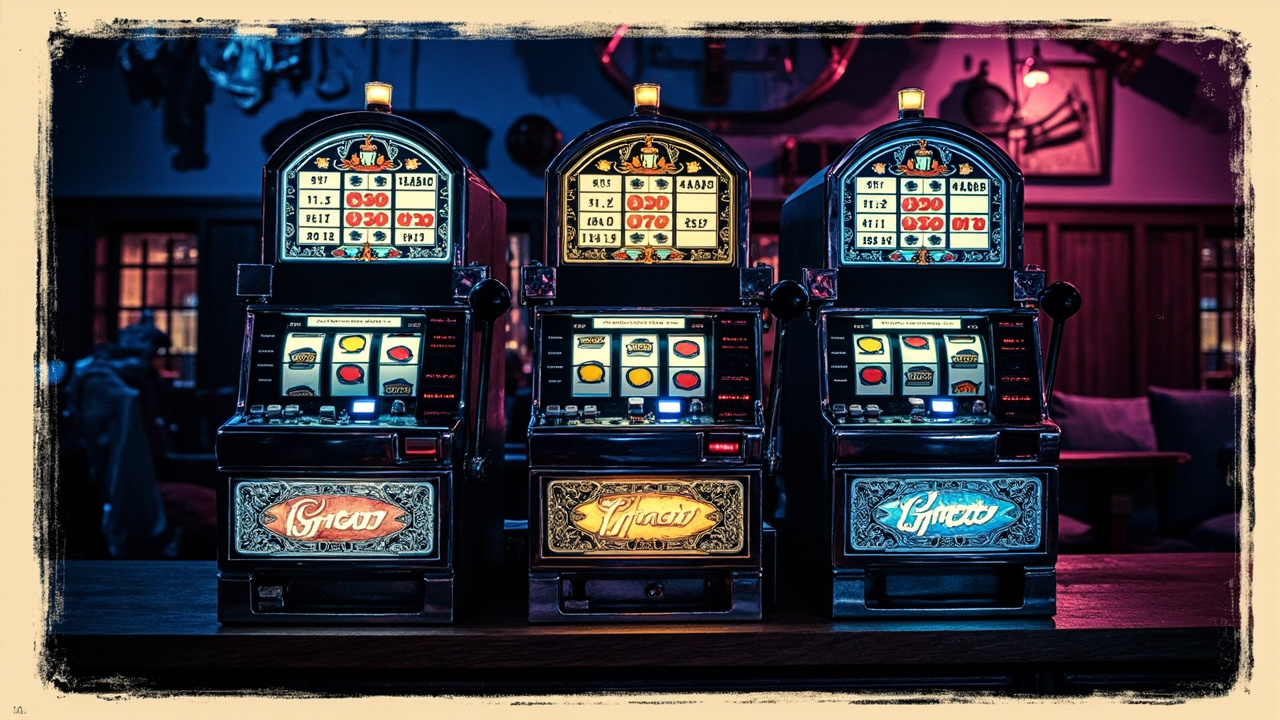
The federal crackdown on roulette electronic devices banned has reshaped how punters approach digital wagering down under. It is not merely about legality but about understanding where value sits when physical machines disappear. Many locals now look toward online alternatives that mirror the mechanics without the hardware restrictions. This shift demands a clear head before signing up anywhere.
Why the Hardware Crackdown Matters

The decision to restrict roulette electronic devices banned stems from concerns over integrity and speed of play across the continent. Regulators argued that automated roulette systems could obscure outcomes faster than a human dealer might manage. For operators, this meant removing physical terminals that relied on complex software to spin wheels independently. The impact rippled through pubs and clubs, forcing a rethink of how table games are delivered to customers. In Darwin, where the heat makes standing rounds tough, the loss of these machines felt keenly during a long arvo. Players who relied on the quick turnaround of electronic wheels had to pivot or leave the venue entirely. It is a concrete example of policy changing behaviour on the ground rather than just on paper. The industry had to adapt quickly to keep punters engaged without the physical hardware they were used to handling.
Online Alternatives and Mobile Fit
When the physical units vanished, digital platforms stepped in to fill the void with browser-based tables. A solid mobile experience becomes critical here, since most locals check their phones between shifts or during a quiet moment. Responsiveness matters more than flashy graphics when you are spinning on a bus ride home. Navigation should be intuitive, letting you find your table without digging through menus on a small screen. Performance is another key factor, because laggy loads can ruin the timing of a bet. Registration needs to be straightforward, asking for details without burying you in paperwork before the first spin. Support teams should be reachable when things go pear-shaped, especially if a deposit hangs in limbo. These practical elements define whether a platform survives the transition from banned hardware to software.
- Quick load times on 4G connections
- Clear table limits visible at a glance
- Easy access to help desks during peak hours
- Simple verification steps that do not stall play
Bonuses, Payments, and Loyalty Perks
Bonus mechanics often differ when you move from hardware to online accounts, with wagering requirements that need careful reading. Some offers tie you to specific table games, limiting where you can use the credit within the lobby. Payments usually favour AUD to avoid conversion headaches, keeping everything in one currency for simplicity. Withdrawal limits might apply, so checking the fine print before transferring funds is wise. Loyalty programs can add value if they reward consistent play with tangible perks rather than empty points. It is similar to comparing a local pub meal to a fancy restaurant; the core product is the same, but the service layer changes the experience. Players should weigh these extras against the base game quality before committing cash. Understanding these structures helps avoid surprises when you try to cash out after a winning streak. legacy of dead slot

Final Thoughts
The ban on hardware forced a change in habits, pushing many toward screens instead of terminals. It leaves the question: do you prefer the tactile feel of a machine or the convenience of a phone in your pocket? Share your take with your mates or drop a comment below about how you adapt to these shifts.