How We Are Righteous: The Path from Startup to Streetwear Icon
A founding narrative is something every streetwear label has, yet not all succeed in turning it into a identity that sticks around. We Are Righteous has used its formative years doing just that — constructing a name that shoppers now seek out on purpose rather than stumbling across by accident. People typing “righteous clothing” or “we are righteous review” into a search engine are, usually, after one of two things: evidence that the brand comes through on quality, or a sense of its standing among the crowded field of independent streetwear labels. This piece takes you through that path, the choices that steered its direction, and what the brand shapes up as heading into 2026.
Because the streetwear world is such a rapidly-evolving segment, making sense of this trajectory matters. A lone viral hoodie can lift a brand, only for it tofade out within eighteen months’ time. Some labels put in quiet effort for years on end, fine-tuning fit and fabric before anyone beyond a tight-knit following notices. Belonging to the second camp, We Are Righteous owes part of its present recognition to that steadiness—which is why it now is mentioned alongside longer-standing names when people stack up a righteous clothing brand against its rivals.
The Formative Years: A Startup With a Point of View
In common with most independent labels, We Are Righteous began with a modest catalog and a focused aesthetic as opposed to a extensive product righteous shorts range. As the brand explored what resonated with buyers, the early collections were built around bold, message-led designs and a restrained color palette, which kept production controlled. This reflects a practical and widespread approach for a new apparel company: tighten the range, gather insight rapidly, and avoid overextending on inventory before demand is proven.
In those first seasons, the brand’s identity centered on the word “righteous” itself — an intentional decision that lent the brand an attitude unlike generic streetwear naming conventions. Instead of depending on nondescript initials or appropriated slang, the founders crafted a set of words centered on conviction, confidence, and staying apart from passing trends. Across drops, that message stayed consistent, and it helped early customers identify the brand well before logo placement became standardized.
Startups in apparel typically fail for one of three reasons: inconsistent quality, poor cash flow from overproduction, or a lack of clear identity. We Are Righteous avoided the third problem early by committing to a voice and sticking with it season after season. That consistency gave the brand room to fix production issues without confusing its audience about what it stood for.
When the Hoodie Became the Anchor Within the Collection’s Buildout
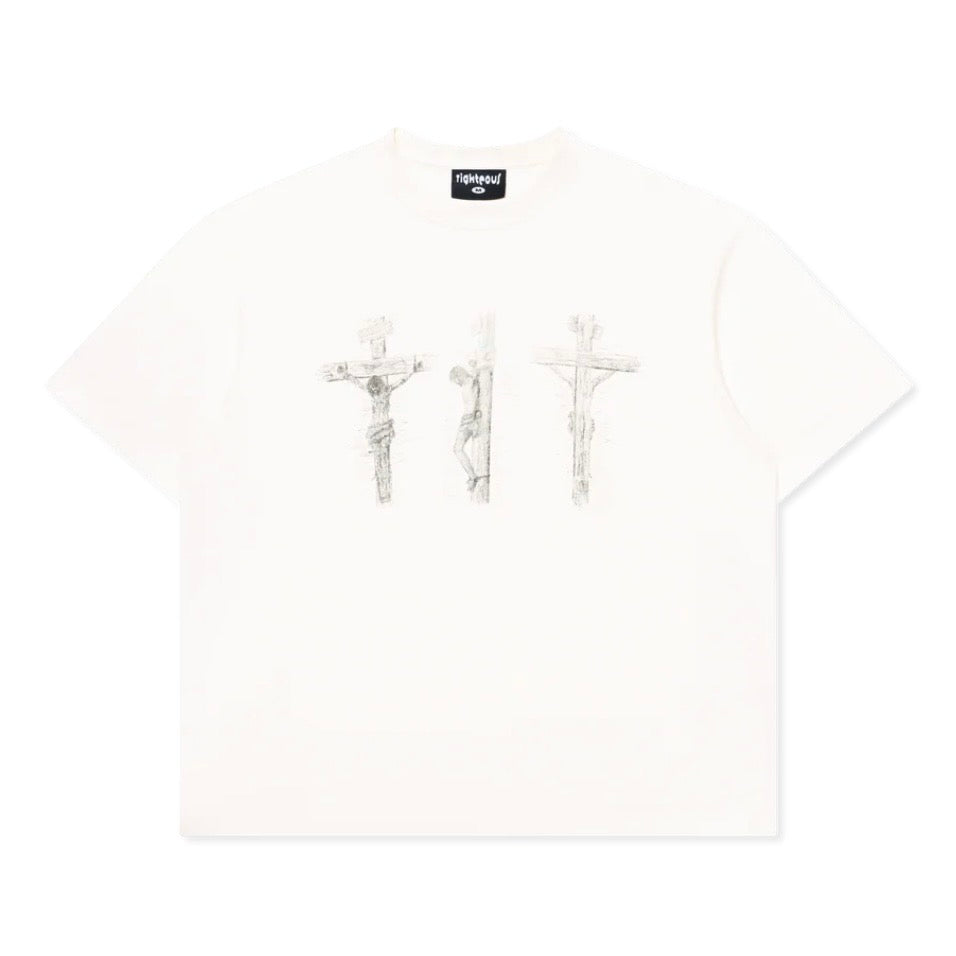
In the case of We Are Righteous, the hooded pullover turned out to be the hero product that each streetwear brand eventually requires. This particular hoodie is currently among the most sought-after and re-stocked pieces in the catalog, and for good reason: hoodies carry graphics well, perform in multiple seasons, while offering a label a surface large enough to make a visual statement without leaning on add-ons.
The brand’s clothing approach grew steadily out from that anchor piece. Tee shirts led the way as a budget-friendly entry point for first-time buyers, succeeded by weightier fleece items, with outerwear arriving next as the catalog developed. This is a fairly standard growth pattern for streetwear labels, but the pacing matters — rushing into segments like footwear or accessories before the main clothing line has earned trust can dilute a emerging brand’s identity. The brand’s clothing has remained rooted in its origins: hoodies, tees, and fleece continue to anchor of the line while new colorways and fits are introduced each cycle.
Fit consistency is a further area where the brand has had to develop. New streetwear ventures commonly run into trouble with fit that shifts between drops because they rely on several manufacturers or adjusting patterns frequently. One part of maturing from hype item to “staple” label has involved tightening up that inconsistency so repeat shoppers have a reasonable sense of what’s coming from one release to the next.
What Reviews Actually Say
Online curiosity surrounding “righteous review” and “we are righteous review” has increased along with the brand’s profile, which is to be expected once a brand shifts from obscure to well-known. Reviews of indie streetwear brands typically group around three key concerns: fabric weight, print durability, and true-to-size accuracy. Buyers looking into We Are Righteous in particular want to know whether the clothing are worth their cost compared to both budget fast-fashion staples and high-end streetwear labels.
Across this category, the feedback pattern is fairly consistent — denser fleece earns compliments, flimsy or overly elastic cotton draws complaints, and the durability of screen prints is measured by cracking or fading through repeated washing. Brands that endure their initial years and establish a loyal base of repeat buyers are typically the ones that tackle these particular issues fast rather than letting them slide. Being responsive like this is what distinguishes a genuinely “review-worthy” brand from one that fizzles out after one hype wave.
It’s also worth noting that the tone of reviews changes as a brand ages into itself. In the early stages, feedback gravitate toward novelty and aesthetics — is the graphic well done, does the release feel exciting. Later reviews, once a brand has been around longer, shift toward durability and consistency — does the hoodie remain looking good after a year of wear, does the sizing match what was advertised the first time around. Having both types of review itself indicates that We Are Righteous has grown out of the “new brand” stage and toward a more established one.
Weighing It Alongside Rival Streetwear Labels: A Breakdown
Positioning matters in streetwear, where dozens of brands compete for the same customer attention with similar silhouettes. The table below breaks down general category positioning — not exact pricing, since that varies by drop and retailer, but the structural differences that typically separate an independent label like We Are Righteous from mass-market and ultra-premium alternatives.
| Comparison Point | Everyday Fast-Fashion Staples | We Are Righteous | Elevated Streetwear Brands |
|---|---|---|---|
| Output style | High-volume, ongoing replenishment | Limited, release-driven | Restricted, typically fueled by co-branded projects |
| Brand identity focus | Minimal, shaped by passing trends | Rooted in a clear message, unwavering brand voice | Shaped by a designer’s hand, artistic concept |
| Core product | Plain t-shirts | Fleece pieces and hoodies | Shifts each season |
| Community engagement | Barely present | On the rise, built around DTC connection | High, though access is restricted |
| Accessibility | High | Middling | Hard to access |
This positioning is precisely why side-by-side comparisons count for customers comparing choices before committing to a purchase. A brand that holds the middle ground — more considered than throwaway fashion, more attainable than premium designer streetwear — has to earn credibility through reliability rather than exclusivity by itself. That’s the lane We Are Righteous has carved out, and it’s a tougher position to hold over time because it calls for both quality craftsmanship and disciplined communication at the same time.
2026 Comes Into View: The Place Where the Brand Now Stands
Heading into 2026, the streetwear market has grown even more saturated than it was five years before, with social platforms making it easier than ever for a new label to get off the ground and harder than ever for one to get noticed past its debut year. Brands that have lasted this long, including We Are Righteous, find themselves competing less on novelty and more on earned trust — loyal shoppers who are familiar with the fit, are familiar with how the fabric feels, and know the brand’s message well enough to make a purchase without being sold on it repeatedly.
This pivot redefines what “growth” looks like for the brand from here on. Instead of following every fleeting fashion wave, the more durable path is honing what already works: building up the hoodie line, improving size consistency, and building out apparel that works cohesively with existing pieces rather than rolling out unrelated one-off items. At this stage, spreading too thin can undermine the very coherence that brands depended on to build their audience in the first place.
An engagement factor also matters more today than it did back in its founding seasons. Streetwear customers in 2026 expect more direct interaction — insider perspective on drops, honest communication about restocks, and a sense that the brand’s message isn’t merely promotional language but something the company really upholds. For a label built around the idea that “righteous” is more than just a name, that alignment between words and actions is the true measure of staying power.
Over several years, what started as a small, purpose-led startup has earned enough recognition to be seen as a true streetwear staple, not just a passing name. The hoodie remains the anchor, the identity remains steady, and the reviews — whether early buzz-fueled ones and subsequent durability-focused ones — tell a coherent story of a brand that has grown intentionally rather than by chance. Pulling that off is more difficult than scoring a single viral drop, and it’s the reason We Are Righteous continues to come up in conversations about which independent labels are actually built to last.